
This enriched yeast roll dough becomes soft and pillowy with built-in layers when you roll it out to a 12″ x 20″ rectangle and fold it into thirds. The folding creates structure that helps buns and rolls hold their shape and gives a slightly layered crumb after baking.
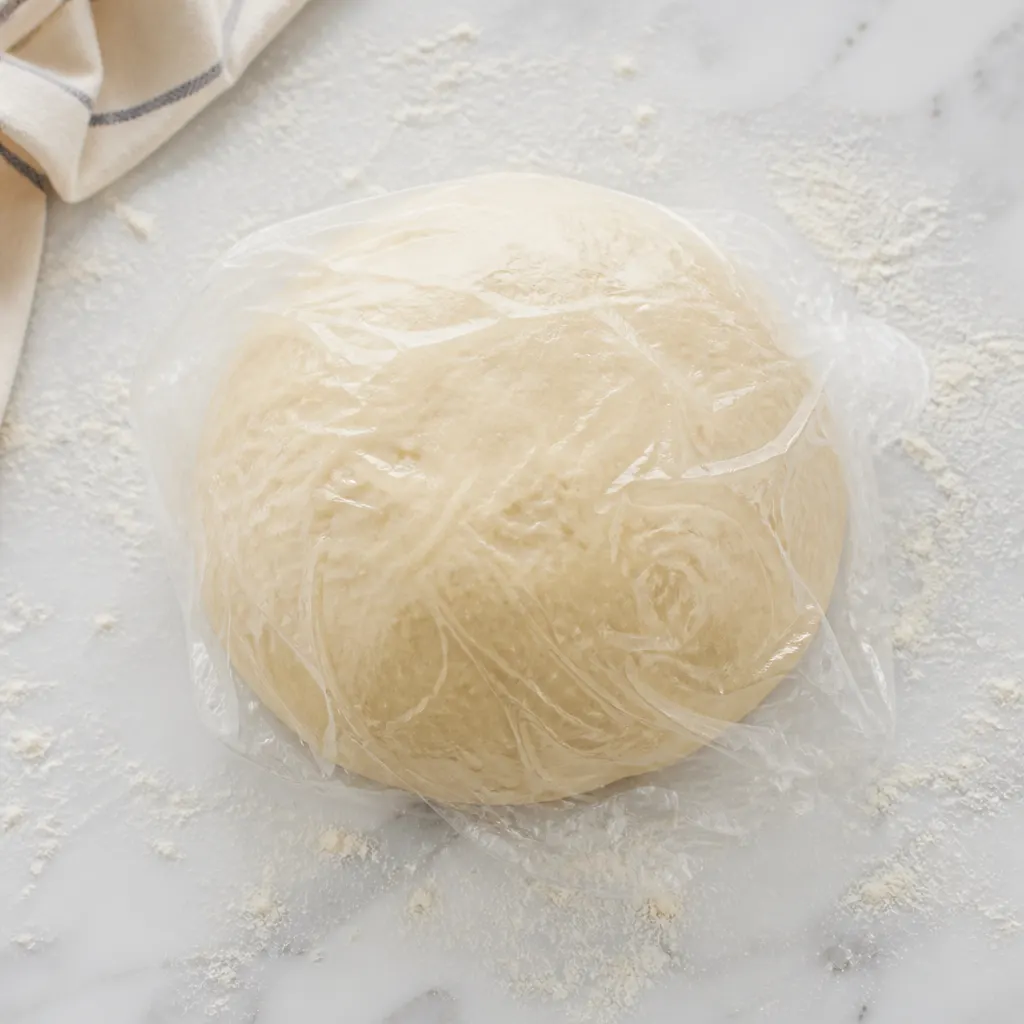
The packet is ready to be wrapped and frozen in about 30 minutes of hands-on time; freeze for up to 2 months and thaw in the refrigerator overnight so you can shape and bake fresh rolls whenever you need them.
Why You’ll Love This Dough
This make-ahead approach turns one packet of enriched roll dough into a freezer-ready, flexible base you can shape into buns, dinner rolls, or slider rounds with little advance work.
Use the recipe card above for the official ingredient and step list; follow the folding and freezing steps below to get consistent results every time.
Ingredients You’ll Need
How to make and freeze the dough
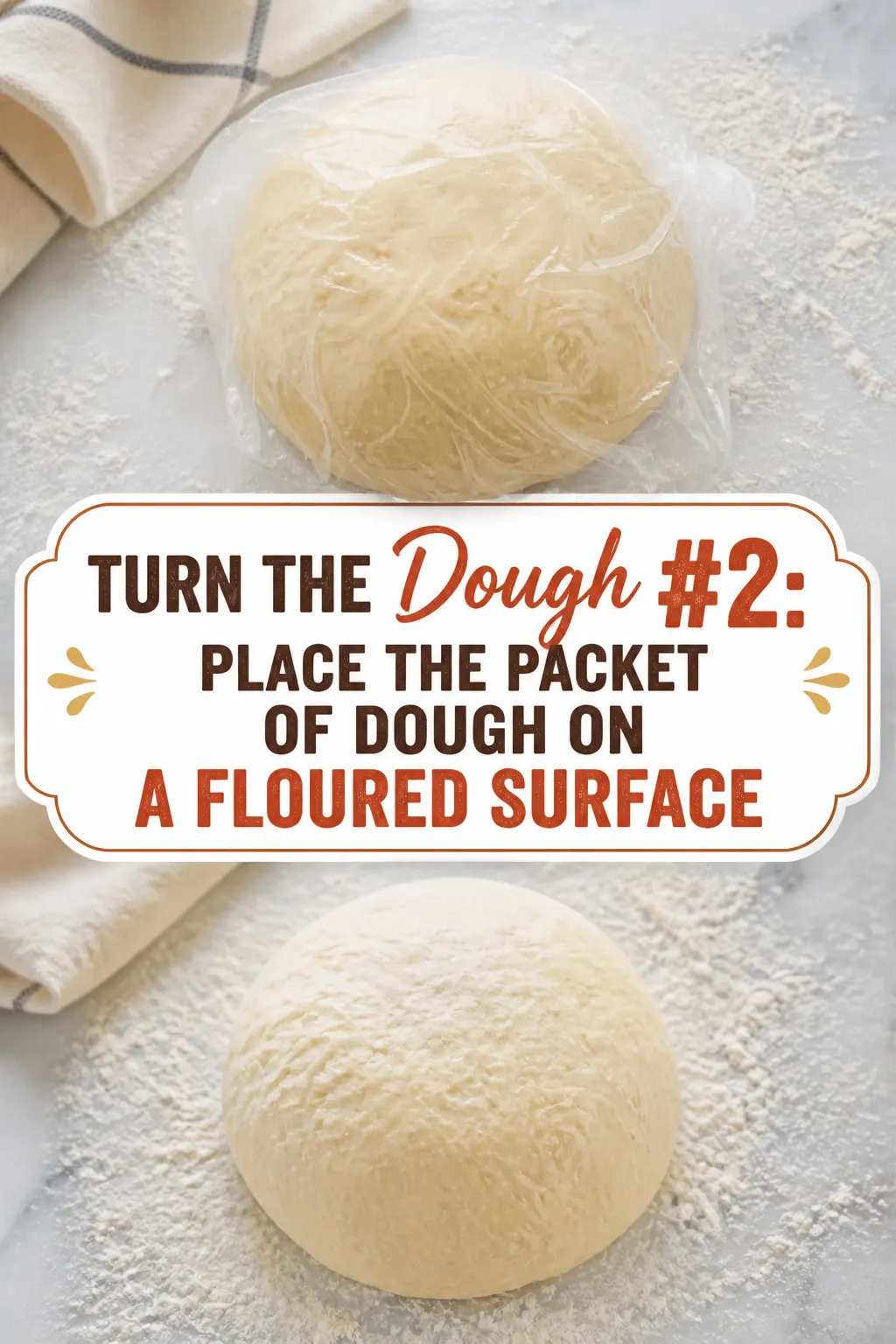
- Place the packet of dough on a lightly floured surface with the narrower edge facing you so you can roll the long dimension away from you.
- Using a rolling pin, roll the dough to a rectangle 12 inches wide by 20 inches long, keeping the thickness even and dusting sparingly with flour to prevent sticking.
- Fold the top third of the rectangle down toward the center, then fold the bottom third up over the top third so the dough is folded into thirds (like a business letter). This creates internal layers that help the dough hold shape.
- Wrap the folded dough tightly in plastic wrap or place it in a freezer-safe bag, removing as much air as possible; label with the date and freeze for up to 2 months.
- When you’re ready to use, thaw the wrapped dough in the refrigerator overnight. After thawing, proceed with your shaping and baking routine.
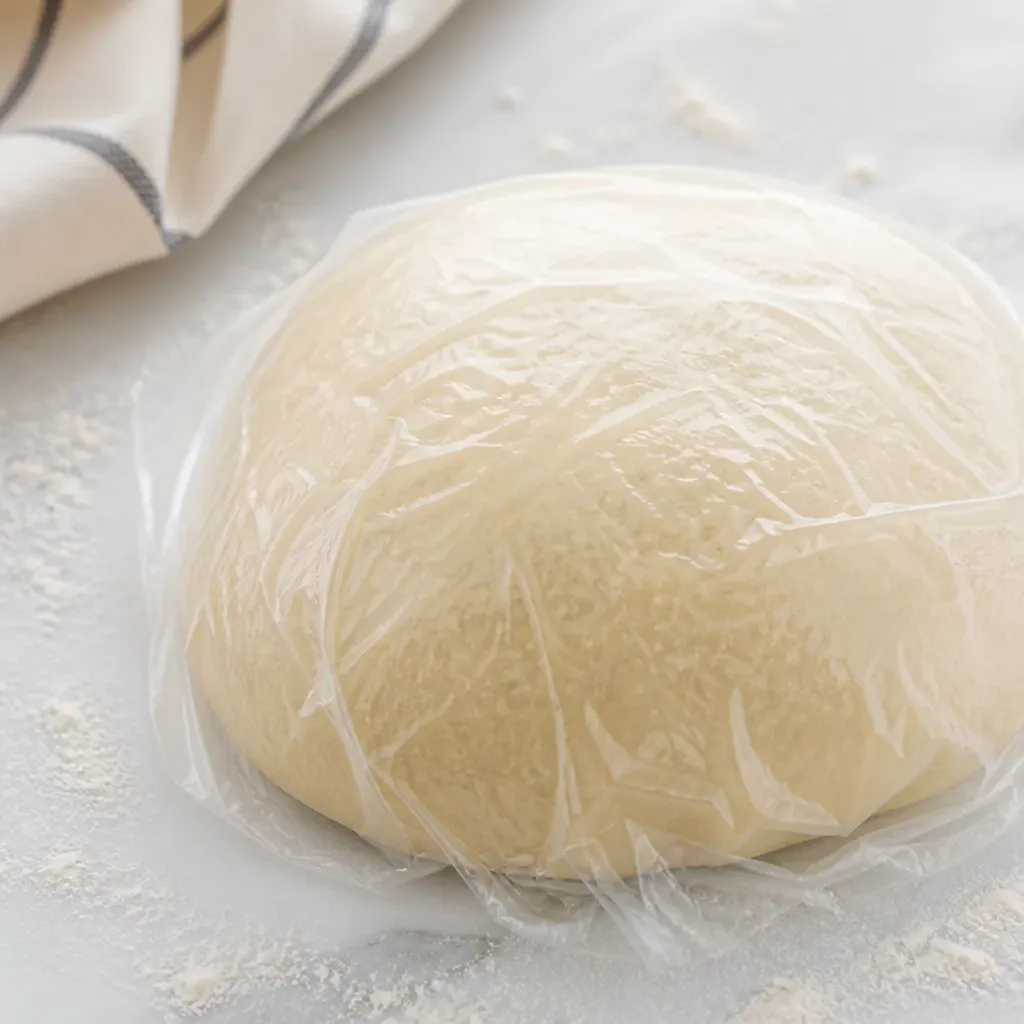
Fold for Layers
Folding the dough into thirds builds internal layers without laminating (no butter layers required). These gentle layers strengthen the dough’s structure while keeping the crumb tender.
Aim for clean, even folds: bring the top third down to the center, then fold the bottom third up so edges align. A neat fold gives the most consistent rise and shaping later.
- Place the narrow edge toward you before rolling for easiest control.
- Keep folds snug but not tight—avoid compressing the dough so gas pockets are preserved.
- If seams open slightly, pinch lightly to seal before wrapping.
Freeze and Thaw Guide
Freeze wrapped dough flat so it takes up less space and thaws evenly. The method is explicitly designed for freezing: freeze for up to 2 months and always thaw in the refrigerator before shaping.
When thawing, leave the dough in its sealed wrap in the fridge overnight—this keeps the surface from drying and lets the dough relax for easier shaping.
- Freeze window: up to 2 months for best quality.
- Thaw: refrigerate overnight until fully pliable.
- Fast-thaw option: sealed bag submerged in cold water for 1–2 hours; never use warm water or heat directly.
Shaping After Thaw
After the dough has thawed in the refrigerator overnight, remove the wrap, gently press to release any trapped air, and proceed with your preferred shaping routine.
For a straightforward use-after-thaw project, shape into buns or hamburger rolls—try the Homemade Hamburger Buns method for a shaping and baking reference after thawing.
- Work on a lightly floured surface and handle the dough gently to preserve the folded layers.
- If the dough feels tight after unwrapping, let it rest 10–20 minutes at room temperature to relax before final shaping.
- Finish with an egg wash or butter brush before baking for a glossy, soft crust depending on your recipe.
Pro tips
Measure the rectangle: Use a ruler or tape to check the rolled dough is about 12″ x 20″ so the folded layers are even and predictable when shaping later.
Don’t over-flour: Use only a light dusting to prevent sticking—too much flour during rolling can dry the surface and reduce adhesion between layers.
Faster safe thaw: If you need a quicker thaw than overnight, keep the dough sealed in a freezer bag and submerge it in cold water for 1–2 hours, changing the water as needed until pliable.
Label the packet: Write the freeze date on the plastic wrap or bag so you can use the dough within the recommended 2-month window.
Save This Recipe
Related recipes
Frequently asked questions
Ready to bake
Once thawed and shaped, follow your chosen baking recipe for rising and oven time to finish the rolls. The make-ahead folding and freeze method keeps practice and prep time low while letting you bake fresh whenever you need it.
Keep frozen packets labeled and use within 2 months for best flavor and rise.
Turn the Dough #2
Equipment
- then proceed with the recipe.]
Ingredients
- dough you can wrap the dough in plastic wrap
Instructions
- Place the packet of dough on a floured surface with the narrower edge facing you.
- Roll the dough out to a rectangle 12 inches wide by 20 inches long.
- Fold the top third of the rectangle down and the bottom third up.
- Wrap the folded dough in plastic wrap or place it in a freezer-safe bag, then freeze for up to 2 months.
- Thaw the dough in the refrigerator overnight before proceeding with the recipe.