
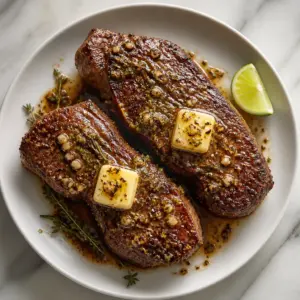
This Perfect Steak builds a deep, caramelized crust from a hot cast-iron sear and a bright garlicky‑balsamic marinade, finished with melting butter and minced garlic for savory, glossy flavor and seared edges.
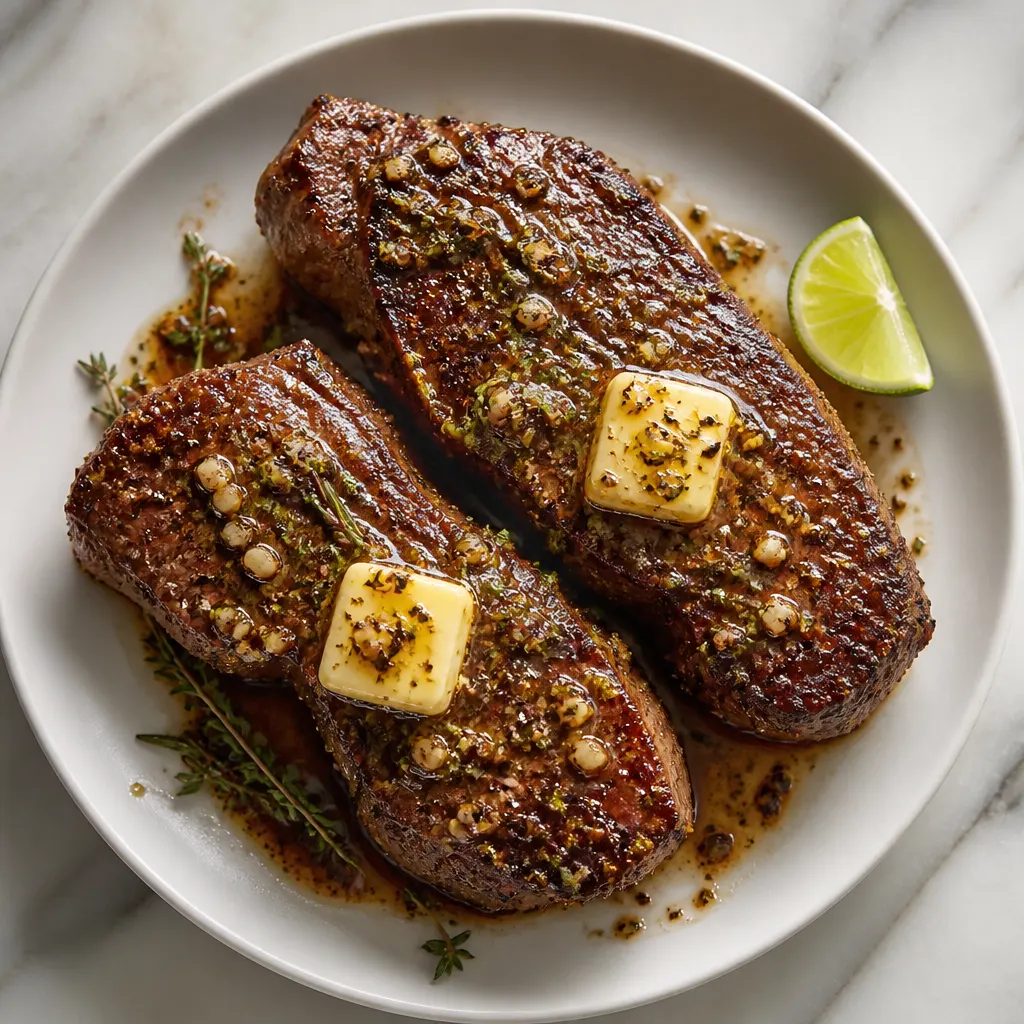
Marinate 1 to 24 hours, then sear and finish in about 20 minutes of active cooking depending on doneness—ideal for a straightforward weeknight dinner or a simple weekend supper when you want restaurant texture at home.
Why You’ll Love This Steak
A few clear technique choices—a short bright marinade, a screaming-hot cast-iron pan, and a butter finish—deliver big flavor without fuss. The method is flexible so you can stop after the sear for rare or use the oven to bring thicker cuts to medium and beyond.
For an easy, show-stopping pairing, try a crisp potato side to soak up the juices—this steak plays especially well with roasted or sliced baked potatoes.
Ingredients You’ll Need
How to Make This Steak
- Combine the marinade ingredients in a bowl, stir to combine, and pour over the steaks; marinate in the refrigerator for 1 to 24 hours.
- Discard any marinade that has touched raw meat. If you want to save extra unused marinade that never contacted the steaks, freeze it for up to 3 months.
- Preheat the oven to 450°F (if you plan to finish in the oven). Heat a cast-iron skillet until it’s sizzling hot—either place it in the preheating oven or heat it on the stovetop until very hot.
- Remove steaks from the marinade and pat them dry with paper towels. If you prefer, rub a small amount of olive oil over the steaks to help them sear.
- Season both sides of the steaks with salt and freshly ground black pepper to taste.
- Place the steaks in the sizzling hot skillet, making sure they are not touching or crowded so they sear rather than steam.
- Cook the steaks undisturbed for about 2 minutes, then test to see if they release easily from the pan—if they’re still stuck, give them more time. Do not press on the steaks while searing; pressing forces juices out.
- When the steaks release from the pan, flip and cook the other side until it releases naturally.
- Use tongs to hold the steaks on their sides so the fat and edges get charred all the way around for full flavor.
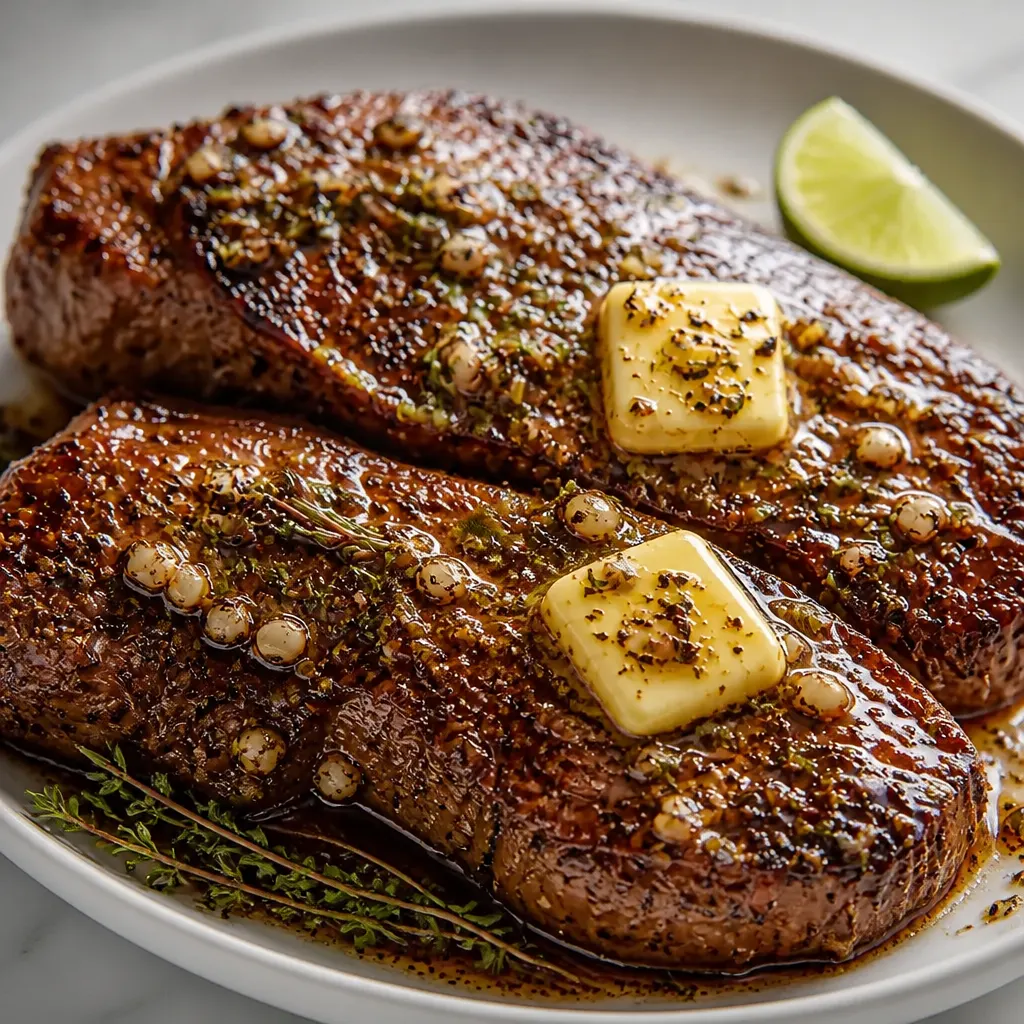
- If you prefer a rare steak, stop after searing. Top each steak with about 1 1/2 tablespoons butter and about 1/2 teaspoon minced garlic, let the butter melt and the garlic scent the meat as it rests on top.
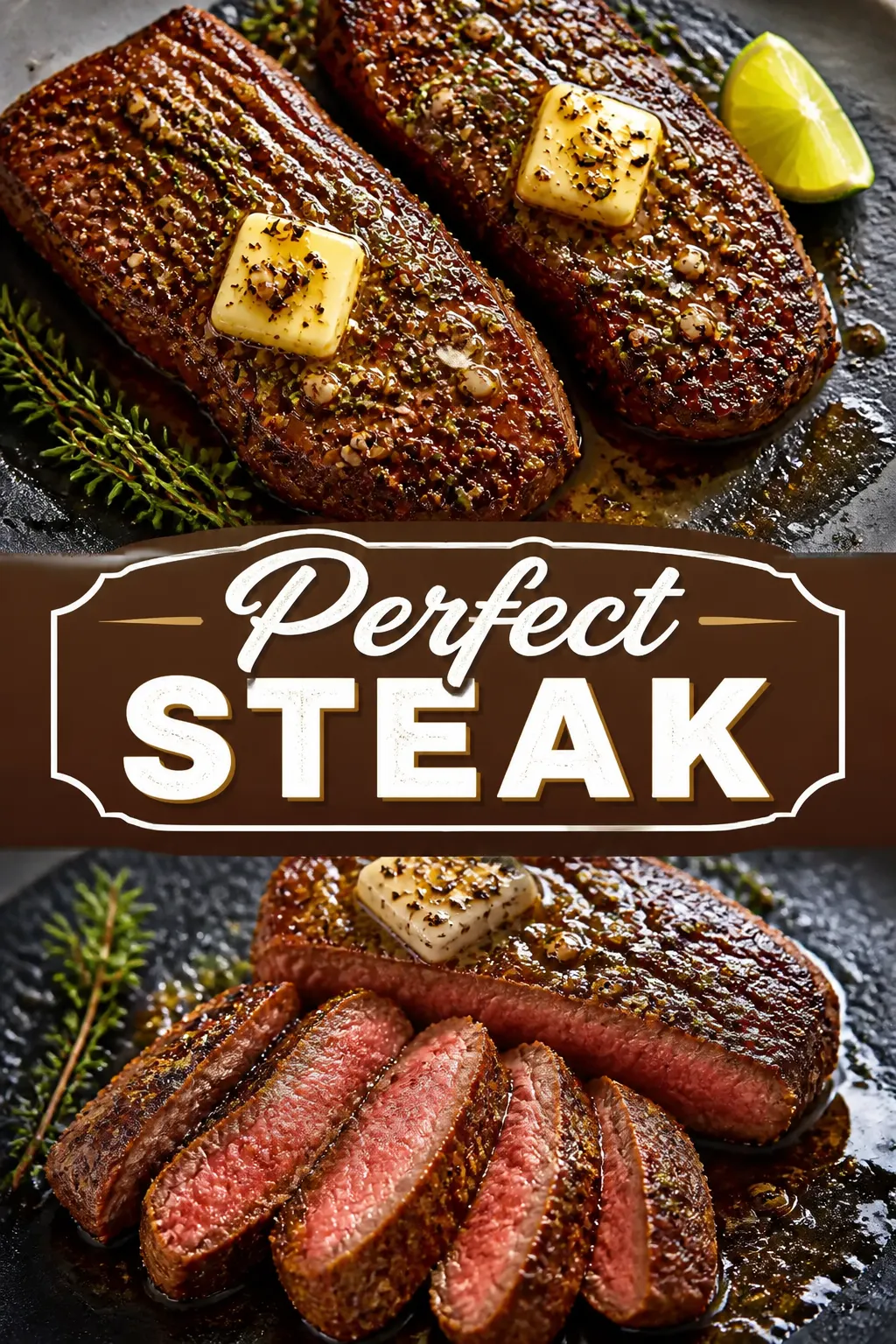
- If you stopped after searing for rare, remove the steaks from the skillet and let them rest for 5 to 7 minutes before slicing so the juices redistribute.
- For medium to well-done steaks, transfer the skillet to the preheated 450°F oven and roast for 3 to 10 minutes depending on thickness and desired doneness.
- Use a meat thermometer to check doneness. Remove the steaks when the thermometer reads about 5°F less than your target temperature to allow for carryover cooking as the meat rests.
- After removing the skillet from the oven, divide remaining butter and minced garlic evenly on each steak and allow the butter to melt; spoon melted butter over the steaks if you like.
- After the butter has melted and flavored the steaks, remove them from the skillet and let them rest for 5 minutes on a cutting board or plate before slicing to keep them juicy.
- Slice and serve with your preferred sides, such as mashed potatoes. Store leftover steak airtight in the refrigerator for up to 4 days or in the freezer for up to 2 months.
Marinade Timing
The marinade infuses flavor quickly—plan for at least 1 hour for surface flavor and up to 24 hours for more pronounced depth. Thinner steaks need less time; very thick cuts benefit from several hours.
- 1 hour: bright surface flavor and some tenderizing.
- 3–4 hours: deeper flavor without overruling the beef.
- Do not exceed 24 hours to avoid textural changes from the acids.
Sear and Oven Finish
A high-heat sear creates the characteristic crust; whether you finish in the oven depends on desired doneness and steak thickness. Rare steaks can be served after searing, while medium and beyond usually need a short oven finish.
- If you want rare, skip preheating the oven and stop after the pan sear.
- To reach medium or higher, preheat the oven to 450°F and roast for 3–10 minutes depending on thickness.
- Always avoid crowding the pan—work in batches if needed so each steak gets contact with the hot surface.
Use a Thermometer
A thermometer is the most reliable way to hit your preferred doneness. Pull steaks from the heat when the probe reads about 5°F lower than your final target because of carryover cooking while the meat rests.
- Rare: remove at about 120–125°F; final ~125–130°F.
- Medium‑rare: remove at about 125–130°F; final ~130–135°F.
- Medium: remove at about 135–140°F; final ~140–145°F.
- Medium‑well/well: remove at about 145–160°F; final ~150–165°F.
Tips for Success
Preheat aggressively: A properly preheated cast-iron skillet gives a rapid Maillard reaction and prevents sticking—heat until the pan is nearly smoking or clearly sizzling before adding steaks.
Don’t press the meat: Avoid pressing steaks while searing; pressing squeezes out juices and prevents a good crust from forming.
Allow carryover cooking: Remove steaks when the thermometer reads about 5°F below your desired final temperature; the internal temperature will rise slightly while resting.
Handle marinade safely: Discard any marinade that touched raw meat. Only freeze extra marinade that never contacted raw meat to reuse later.
Save This Recipe
More recipes to try
Frequently asked questions
Finish and serve
Rest the steaks 5–7 minutes before slicing so juices redistribute; spoon melted butter and garlic over the top for extra gloss and flavor.
Pair this pan-seared steak with a simple roasted potato or sliced, buttery baked potatoes—for a complementary option try Hasselback Potatoes.
Perfect Steak
Equipment
- 1 Bowl
- 1Cast-Iron Skillet
- 1 Kitchen Tongs
Ingredients
- 1/4 cup olive oil
- 2 teaspoons garlic minced
- 3 tablespoons balsamic vinegar
- 3 tablespoons Worcestershire sauce
- 3 tablespoons soy sauce I use lite or reduced-sodium
- 1 tablespoon Dijon mustard
- 1 teaspoon rosemary fresh, chopped (dry may be substituted)
- 2 sprigs thyme fresh, chopped (dry may be substituted)
- 1 teaspoon black pepper freshly ground
- 1 medium lime juice
- two 8-ounce steaks your choice of cut and weights provided are an estimate only
- olive oil to taste; optional
- 3 tablespoons butter not margarine; salted or unsalted; divided
- 1 teaspoon garlic finely minced; divided
- salt to taste
- black pepper freshly ground; to taste
Instructions
- Combine the marinade ingredients, stir, and pour over the steaks; marinate for 1 to 24 hours.
- Discard used marinade. Extra unused marinade that has not touched the meat can be frozen for up to 3 months.
- Preheat the oven to 450°F and heat a cast iron skillet until sizzling, either in the hot oven or on the stovetop.
- Pat the steaks dry and, if desired, rub a small amount of olive oil over them.
- Season the steaks with salt and freshly ground black pepper to taste.
- Place the steaks in the sizzling hot skillet making sure they are not touching or crowded.
- Cook the steaks undisturbed for about 2 minutes, then test to see if they release; if they are stuck, do not force them. Do not press the steaks while cooking.
- When the steaks release from the pan, flip them and cook the other side until it releases.
- Use tongs to hold the steaks on their sides so the edges get charred all the way around.
- If you prefer rare, stop after searing; top each steak with about 1 1/2 tablespoons butter and about 1/2 teaspoon minced garlic, let the butter melt and the garlic sit on top.
- If you have stopped after searing for rare, remove the steaks from the skillet and rest them 5 to 7 minutes before slicing.
- For medium to well-done steaks, transfer the skillet to the preheated 450°F oven and roast for 3 to 10 minutes.
- Use a meat thermometer to check doneness and remove the meat when it reads about 5°F less than your target temperature to allow for carryover cooking.
- After removing the skillet from the oven, divide remaining butter and minced garlic evenly on each steak and allow the butter to melt; spoon melted butter over the steaks if desired.
- After the butter has melted, remove the steaks from the skillet and let them rest for 5 minutes on a cutting board or plate before slicing.
- Serve with a side such as mashed potatoes. Store leftover steak airtight in the refrigerator for up to 4 days or in the freezer for up to 2 months.