
A whole eggplant roasted directly over a gas flame turns deeply smoky on the outside and lusciously creamy inside, with charred, blistered skin that peels away to reveal soft, scoopable flesh.
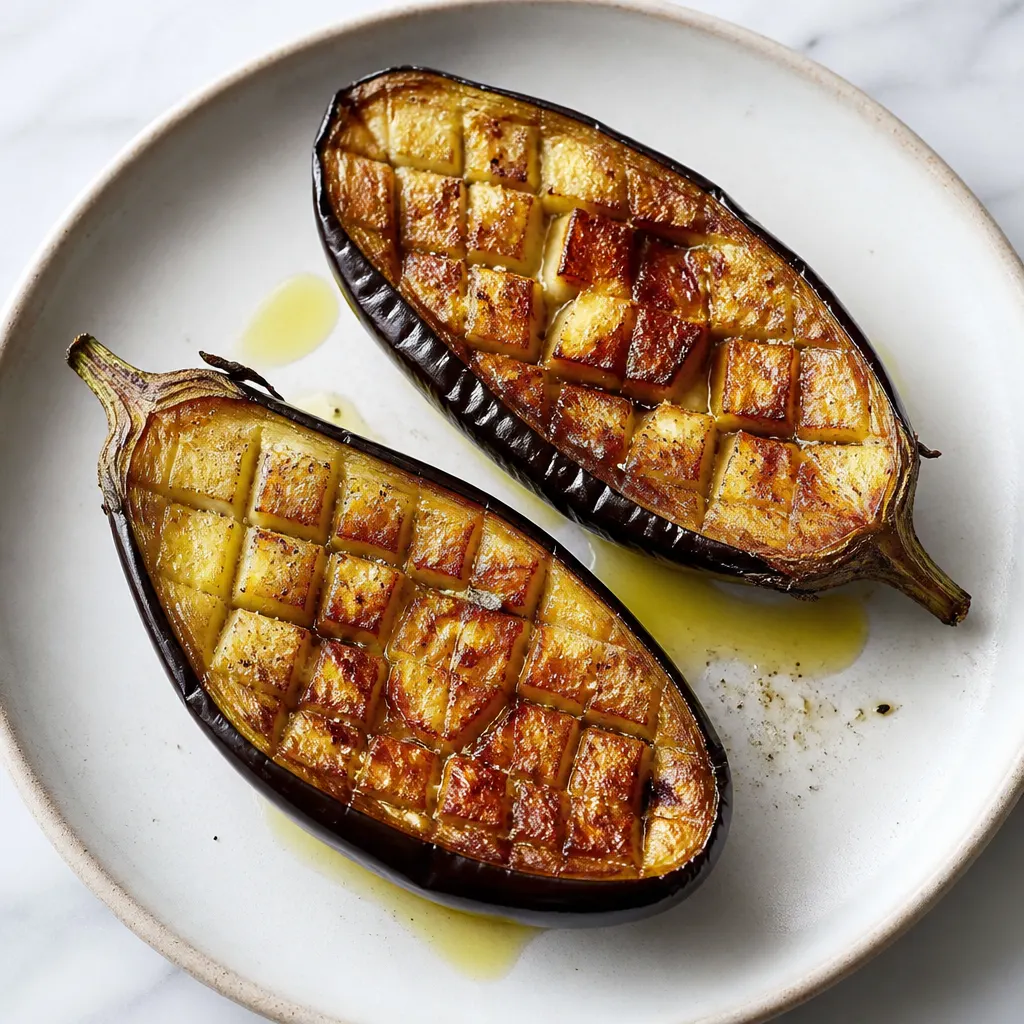
This simple stovetop method takes about 20–30 minutes and uses just a whole eggplant and a little olive oil; use the roasted flesh in dips, toss it into salads and bowls, or serve as a warm side while it’s silky and fresh.
Why You’ll Love This Recipe
Flame-roasting on a gas stove gives eggplant a distinctive smoky char and a melt-in-your-mouth interior in roughly 20–30 minutes, making it fast, flavorful, and very versatile.
For a ready-to-serve salad that pairs beautifully with roasted eggplant, try incorporating the flesh into the Wild Rice Salad with Roasted Vegetables and Lemon-Tahini Dressing (Wild Rice Salad with Roasted Vegetables and Lemon-Tahini Dressing).
Ingredients You’ll Need
How to Make It
- Wash and dry the eggplant thoroughly. Pierce the skin several times with a fork to vent the interior—this prevents steam buildup and the risk of the eggplant bursting while it cooks.
- If you have a gas range, you can roast the eggplant directly on the grate. To make cleanup easier, consider protecting the burner with a layer of foil because the eggplant will weep and leave charred residue.
- Place the eggplant directly on the gas range grate and set the flame to medium. Keep ventilation on (hood fan or open window) while roasting.
- Roast for about 20–30 minutes, turning the eggplant a quarter turn every 5 minutes so the skin chars evenly. Smaller varieties will finish faster and very large eggplants may take longer. When the skin is deeply blistered and the flesh feels very soft if gently pressed, remove from the heat and proceed to peeling and draining.
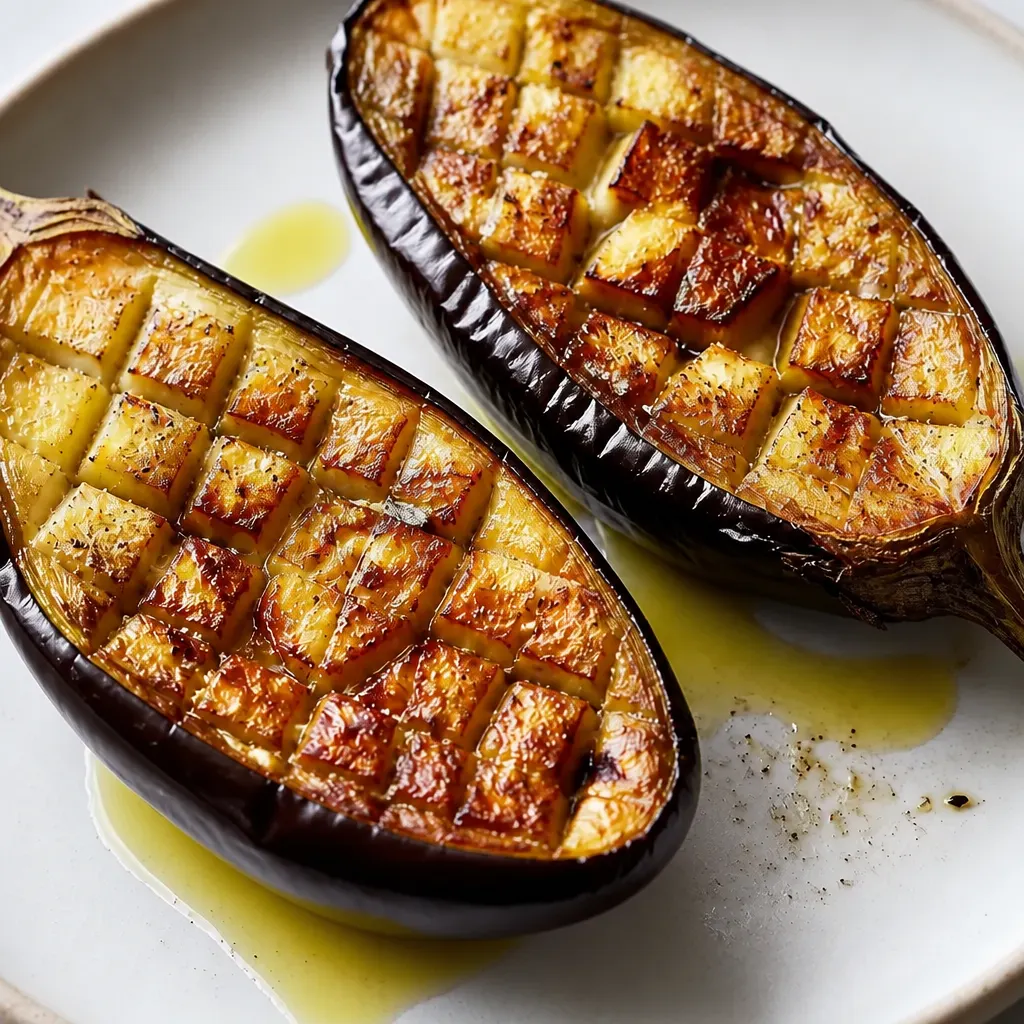
Pierce and Vent Safely
Piercing the skin before roasting is the single most important safety step. Each fork puncture gives trapped steam a place to escape so the eggplant won’t rupture while cooking.
- Make 4–6 punctures across the middle of the eggplant, avoiding the stem end when possible.
- If the eggplant is particularly large, add a few more vents so internal steam can escape evenly.
Flame-Roasting on Gas
Roasting directly over a gas flame produces the classic smoky, blistered skin and a soft interior that ovens don’t quite replicate.
- Set the flame to medium to balance char and internal cooking.
- Turn the eggplant a quarter turn every 5 minutes so all sides blister evenly.
- Protect the burner with foil to capture drips and make cleanup simpler.
Peeling and Draining Tips
Once the eggplant is roasted and soft, let it sit just long enough to be handled, then peel or split and scoop the flesh. If you plan to use the flesh in dips, scoop it into a colander and let it drain or gently squeeze out excess liquid.
- To peel: use a knife to split the skin lengthwise and pull or scrape away charred skin to reveal the soft flesh.
- To scoop: halve the eggplant, then use a spoon to lift the flesh out of the skin.
- If making baba ganoush or a dip, transfer scooped flesh to a fine-mesh sieve and let it drain a few minutes, or press gently to remove excess moisture for a thicker texture.
Tips for Success
Always pierce the skin: Make several fork holes in the eggplant before cooking—this is essential safety to let steam escape and avoid an exploding eggplant.
Use medium flame and watch size: Medium heat gives time for the interior to soften without burning the skin; adjust total roast time based on size—small Japanese eggplants finish sooner, large globe eggplants need the full 30+ minutes.
Protect and ventilate: Line the burner area with foil for easier cleanup and run the stove hood or open a window—the roasting process produces smoke and drips as the eggplant weeps.
Let the eggplant rest briefly: After removing it from the flame, let it cool just enough to handle before peeling—this makes peeling or splitting and scooping the flesh easier.
Save This Recipe
More recipes to try
Frequently Asked Questions
Ready to Roast
Flame-roasting a whole eggplant on a gas stove is fast, dramatic, and delivers a depth of flavor you’ll want to use again and again—remember to pierce, protect the burner, and roast to a very soft interior.
Use the silky flesh right away in dips, salads, and bowls, or refrigerate it for quick weekday meals.

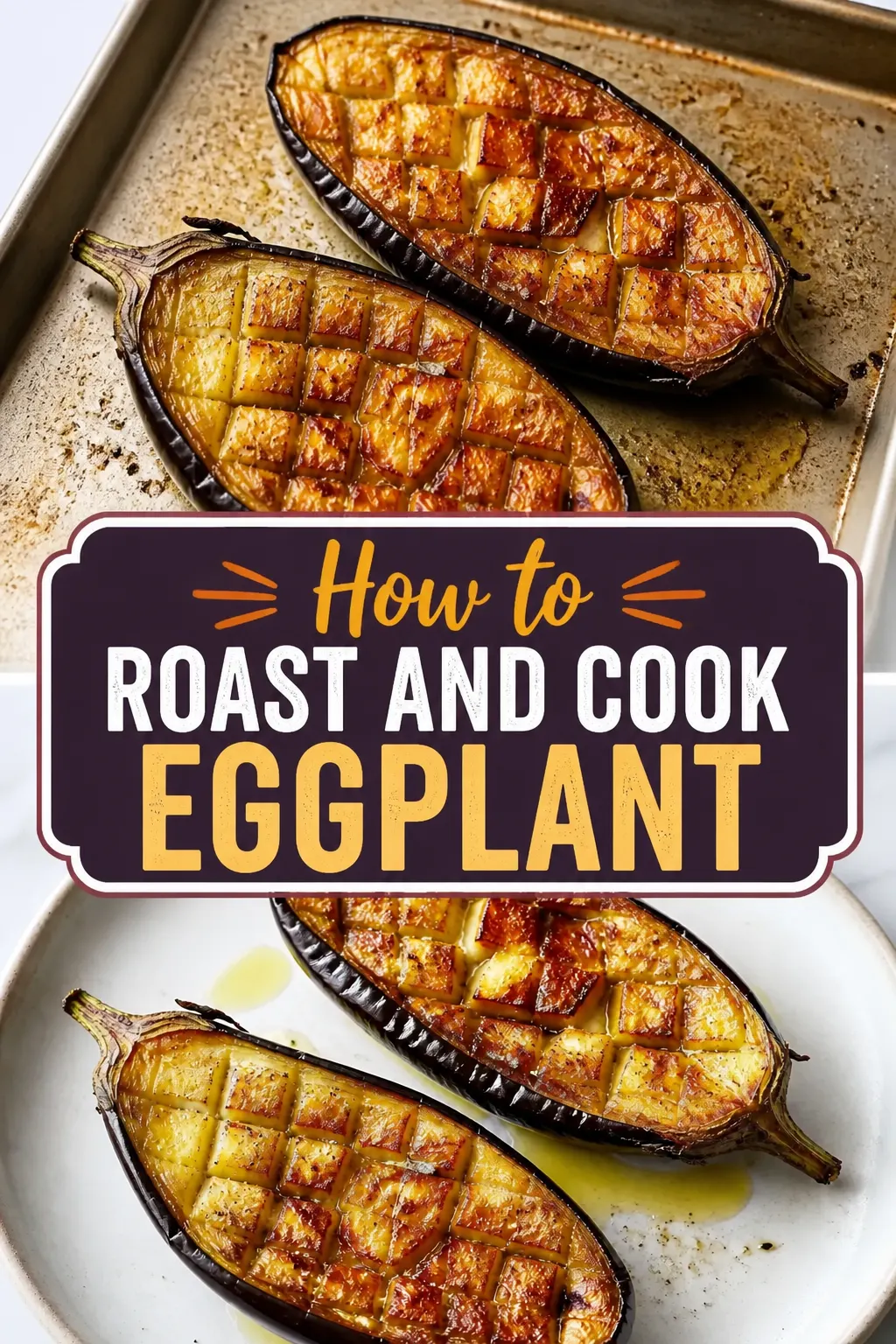
How to Roast and Cook Eggplant
Equipment
- gas range grate
Ingredients
- 1 whole eggplant
- 1 tablespoon extra virgin olive oil as needed
Instructions
- Wash and dry the eggplant. Pierce the skin a few times with a fork to vent; if you do not pierce it, the eggplant can burst while cooking.
- If using a gas range, you can roast the eggplant directly on the grate. You may wish to protect the burner with foil to make cleanup easier, since the eggplant will weep and leave charred bits.
- Place the eggplant directly on the gas range grate and set the flame to medium.
- Roast the eggplant over the flame for 20-30 minutes, turning it a quarter turn every 5 minutes as it cooks. Larger eggplants will take longer and smaller varieties will roast faster. When finished cooking, remove from the heat and proceed to “Peeling Your Eggplant.”